

textured mirror glass
The Importance of Steady Pad Anti-Vibration Technology In an increasingly mechanized world, vibrations from machinery and equipment pose significant challenges across various industries. These vibrations can lead to equipment wear and tear, affect product quality, and create hazardous working environments. One of the effective solutions to mitigate these issues is the use of steady pad anti-vibration technology. Steady pads are specially designed components that reduce vibrations transmitted from machinery to their supporting structures. By absorbing and dampening these vibrations, steady pads play a crucial role in ensuring the longevity of equipment and improving operational efficiency. They are commonly used in manufacturing plants, construction sites, and even in residential applications where machinery operates frequently. The Importance of Steady Pad Anti-Vibration Technology One of the most significant benefits of using anti-vibration steady pads is the decrease in maintenance costs. Regular exposure to vibrations can lead to premature wear on machinery components, resulting in frequent repairs and downtime. By implementing steady pads, businesses can experience fewer breakdowns and extended operational periods for their equipment. This not only saves money but also enhances productivity, as machines are available for use more often. steady pad anti vibration In addition to maintenance savings, steady pads contribute to improved workplace safety. Excessive vibrations can create an unstable work environment, increasing the risk of accidents and injuries. By minimizing vibrations, steady pads help create a safer atmosphere for employees, which is particularly important in industries such as construction and manufacturing, where heavy machinery is prevalent. Furthermore, steady pads can also help enhance product quality. In processes sensitive to vibrations—like precision machining or assembly—consistent vibration levels are crucial for ensuring that products meet specified tolerances. By using anti-vibration technologies, manufacturers can maintain tighter control over these processes, leading to higher quality outputs and reduced waste. Moreover, as environmental concerns grow, steady pad anti-vibration systems can contribute to sustainability efforts. By prolonging the life of equipment and reducing energy consumption associated with repairs and replacements, these pads align with green initiatives within industries aiming to lessen their ecological footprint. In conclusion, steady pad anti-vibration technology plays a vital role in modern industrial operations. From reducing maintenance costs and enhancing safety to improving product quality and supporting sustainability, the advantages of these technologies are manifold. As industries continue to evolve and embrace new machinery, investing in effective anti-vibration solutions will be essential for maintaining operational efficiency and competitiveness in the market. Embracing this technology is not just a choice; it is a requisite for businesses aiming to thrive in today’s demanding environment.
about
textured mirror glass
Understanding Thread Ring Gauge Go/No-Go Concept Thread measurements are critical in various engineering and manufacturing applications, ensuring that components fit together correctly and function as intended. One of the essential tools in this process is the thread ring gauge, which is used to verify the accuracy of threaded parts. This article delves into the function of thread ring gauges, particularly focusing on the Go/No-Go measurement concept. What is a Thread Ring Gauge? A thread ring gauge is a precision tool used to assess the dimensions and precision of external threads on cylindrical items such as screws, bolts, and other fasteners. These gauges come in different sizes and types, tailored to various thread standards, such as ANSI, ISO, or JIS. The gauge is designed in a ring shape that fits around the threaded part, allowing operators to easily check whether the threads are manufactured within specified tolerances. The Go/No-Go Measurement System The Go/No-Go system is a standardized method in manufacturing and quality control for determining if a part is acceptable according to dimensional specifications. This system employs two distinct gauging elements 1. Go Gauge This gauge is designed to fit onto the threaded part if it is within the acceptable range of specification. If the Go gauge fits, it indicates that the component is likely functional and meets the necessary criteria. 2. No-Go Gauge Conversely, the No-Go gauge is designed not to fit onto the threaded part if it is manufactured correctly. If the No-Go gauge passes over the threads, it indicates the part is out of specification, meaning it is either too large or too small. Importance of Go/No-Go Gauges The Go/No-Go gauges simplify the quality control process by providing clear, straightforward criteria for acceptance. Here are some key reasons why this method is so crucial thread ring gauge go no go - Efficiency The Go/No-Go method allows for rapid assessments of threaded parts without requiring detailed measurement instruments. It’s often quicker to test a part with a gauge than to measure specific dimensions with calipers or micrometers. - Binary Results The simplicity of the Go/No-Go system results in clear outcomes. Parts can be quickly categorized as acceptable or unacceptable, facilitating faster decision-making in production flows. - Reduces Errors The clear threshold between the acceptable Go gauge and the unacceptable No-Go gauge eliminates ambiguity during inspections. This reduces human error associated with interpreting dimensional measurements. - Cost-Effective By using thread ring gauges instead of more complex measuring devices, manufacturers can save costs while maintaining a high standard of quality control. Applications in Industry Thread ring gauges are used extensively in sectors such as aerospace, automotive, and machinery manufacturing, where the integrity of threaded connections is paramount. For instance, in aerospace applications, the tight tolerance on threaded components can be critical for safety and functionality. Manufacturers use Go/No-Go gauges to ensure that bolts and screws fit correctly, preventing potential failures that could arise from faulty parts. Similarly, in automotive assembly lines, a single defective threaded component could lead to assembly issues or even vehicle malfunctions. By implementing Go/No-Go standards, companies enhance their reliability and compliance with industry regulations. Conclusion In summary, thread ring gauges based on the Go/No-Go measurement system are invaluable tools in the manufacturing sector. They provide a clear, efficient, and reliable method for assessing the dimensional accuracy of threaded components. As industries continue to prioritize quality and precision, the use of such gauges will remain a critical aspect of manufacturing processes, ensuring safety and functionality in products across various applications. Understanding and correctly implementing the Go/No-Go concept can significantly enhance the quality assurance measures in any manufacturing setup, resulting in better products and increased customer satisfaction.
-

High quality industrial productsagement

High quality industrial products
View Details -

Meet the diverse needs of customers

Meet the diverse needs of customers
View Details -

Strict quality control

Strict quality control
View Details -

Top raw materials

Top raw materials
View Details -

Trusted supplier

Trusted supplier
View Details
Our application
news and information

Wood Villa House Truss Repair Mending Nails and Plates Solution
The Essential Role of Truss Mending Nail Plates in Wooden Villa Construction In the realm of archit
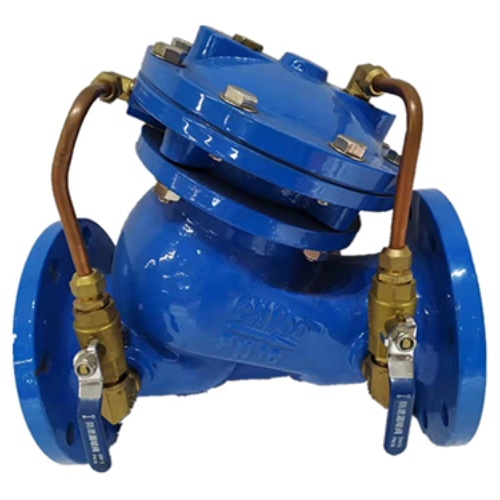
Wholesale Supply for Valves and Fittings Solutions in Industrial Applications
The Dynamics of Valve Wholesale A Comprehensive Overview In the industrial sector, valves play a cru
Vibrationspads
Vibrationsdämpfer Die Bedeutung von Vibrationspads in verschiedenen Anwendungen In der heutigen Welt
 English